Choosing a Vanity for a Small Mid-Century Bathroom
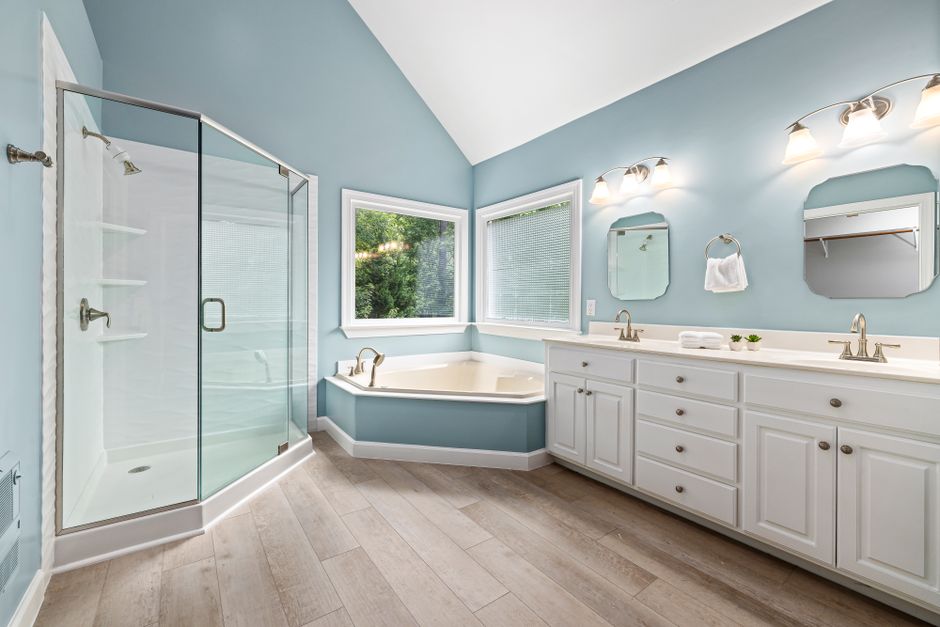
Nothing about a vanity on a showroom floor tells how it will sit in a small postwar bathroom, so the crew measures first (the notes at riverside kitchen and bath remodeling touch diva say the same) and shops second. A bathroom in Arlanza or La Sierra, in Riverside, CA, was built tight, and a kitchen and bath remodel there works inside a small box.
Width and depth first
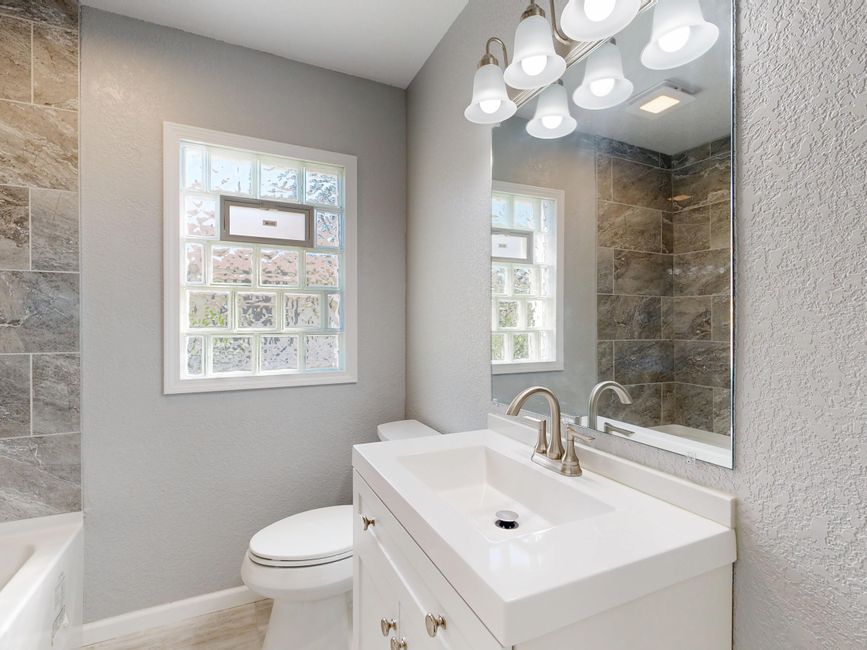
Standard vanities run deeper than many mid-century bathrooms can spare, once the clearance between the vanity and the tub is measured. Shallow models, often sold as narrow-depth, free up room in front of the toilet and in the doorway. The door swing, the toilet clearance and the edge of the tub set the real limit.
Drawers or doors
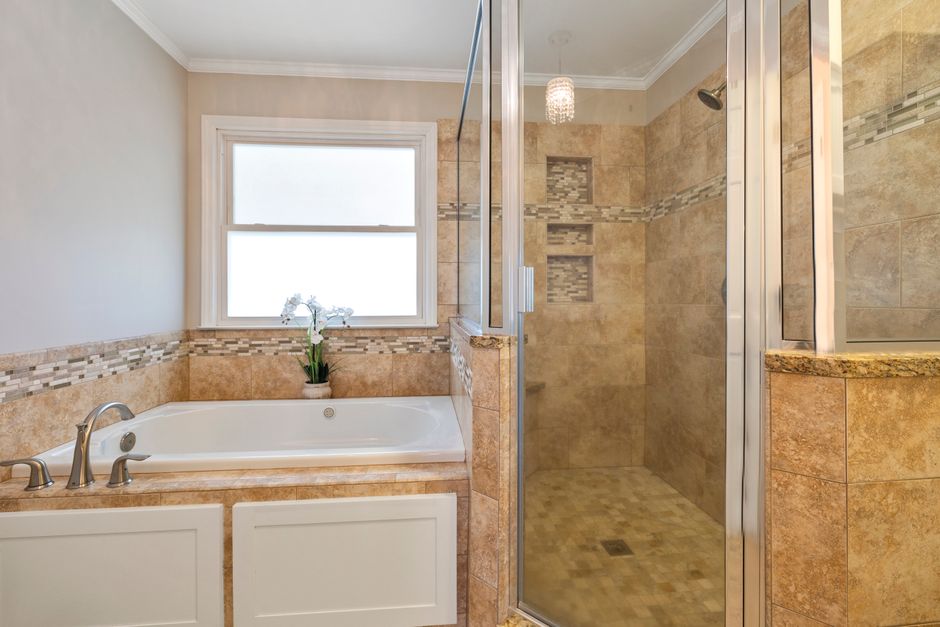
A door base has an open cavity around the drain, which wastes space but fits a plumbing trap easily. Drawer bases need a cutout around the trap, so the top drawer is shallow and the lower one is deeper. Drawers keep small items from sliding to the back, and in a small bathroom that counts for more than a bigger cabinet.
Wall-hung or floor-standing
A wall-hung vanity shows the floor underneath, which makes a small room look larger and lets a mop reach every corner. It needs blocking in the wall to carry the weight of the cabinet, the countertop and the sink. A floor-standing vanity is simpler to install and holds more.
Tops and sinks
An integrated top with a molded sink has no seam to trap water. A stone or quartz countertop with an undermount sink looks clean and wipes easily. A vessel sink sits on top and raises the faucet height, so the faucet and the bowl have to be matched, and a vessel takes up counter space that a small bathroom rarely has.
Plumbing rough-in
The old supply stops and drain sit where the old vanity stood. A new vanity with a different drain position means moving the rough-in, which is easy with the wall open. The valve stops, the trap and the faucet height are checked before the wall is closed and tiled.
Walls behind and beside it
Mid-century bathrooms often have tile that stops at the tub and paint everywhere else. A new vanity changes where the wall gets splashed, so a short tile backsplash in subway tile or porcelain tile, with grout sealed and a bead of caulk along the top of the vanity, protects the wall from water running down behind the cabinet.